
Lifestyle
Axurbain: Rethinking Modern Living Through Hybrid Urban Design

Introduction
Axurbain is an emerging idea that captures a growing shift in how people live, work, and connect within modern environments. At its core, axurbain blends the flexibility of digital-first lifestyles with the physical, cultural, and social fabric of urban spaces. As cities evolve and daily life becomes more fluid, this concept matters because it responds to real human needs: balance, accessibility, and meaningful connection. In this article, you’ll learn what axurbain truly means, how it shows up in everyday life, why it’s gaining attention across industries, and what it could mean for the future of communities worldwide.
What Is Axurbain? A Clear and Practical Definition
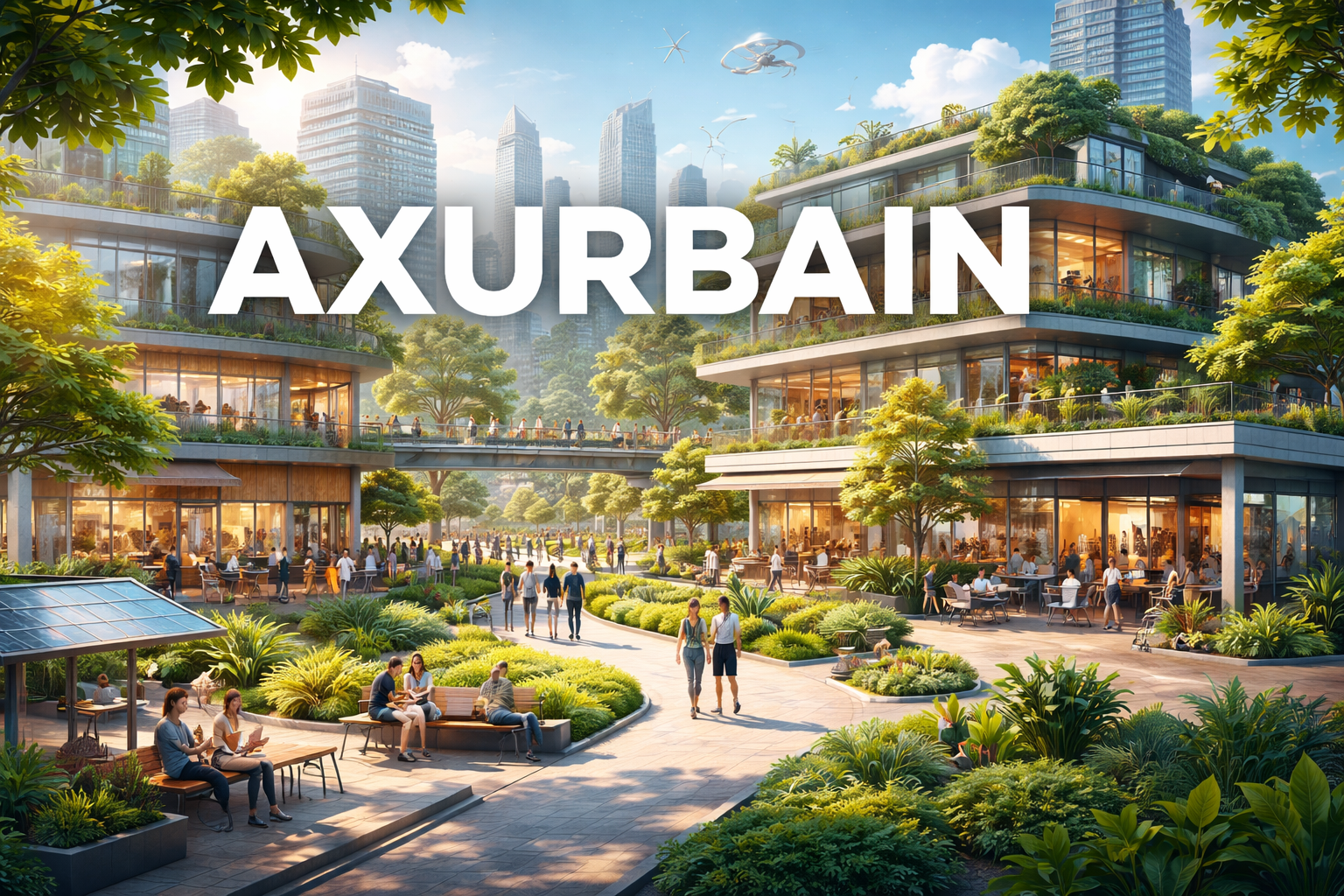
Axurbain is not a buzzword pulled from thin air. It’s a hybrid concept combining urban living with adaptive, digitally influenced lifestyles. Think of it as a framework rather than a single product or trend. Axurbain environments are designed to be flexible, people-centered, and responsive to both physical and digital behaviors.
Will You Check This Article: Costco Rival Launches Megastore: A New Era in Bulk Retail
Instead of separating online life from city life, axurbain brings them together. A café that doubles as a coworking hub, a neighborhood designed for both remote workers and local artisans, or housing that adapts to changing family structures all fit within this idea. The emphasis is on flow, not friction.
At a deeper level, axurbain reflects a mindset. It values proximity without crowding, connectivity without isolation, and progress without losing local identity. This balance is what makes the concept resonate across cultures and age groups.
Core Elements That Define the Axurbain Concept
Human-Centered Urban Design
One of the strongest pillars of axurbain is its focus on people first. Traditional urban planning often prioritized efficiency over experience. Axurbain flips that script by asking how spaces feel and how they support daily rhythms.
Walkability, shared green areas, and adaptable interiors are common features. These elements reduce stress and encourage spontaneous interaction. When design aligns with human behavior, cities become places people enjoy rather than endure.
Digital-Physical Integration
Axurbain environments naturally blend physical spaces with digital tools. This doesn’t mean screens everywhere. Instead, technology quietly supports convenience, safety, and access. For example, shared workspaces may use simple digital systems to manage bookings, while neighborhoods use community platforms to organize events.
The key is subtlety. Technology serves the environment, not the other way around. When done well, it fades into the background and enhances everyday life.
Flexibility as a Lifestyle Standard
Rigid spaces no longer fit modern lives. Axurbain embraces flexibility as a standard feature. Homes may include rooms that shift between work and leisure. Public areas can host markets one day and workshops the next.
This adaptability supports changing careers, family needs, and social habits. It also reduces waste by allowing spaces to evolve instead of being replaced.
Why Axurbain Is Gaining Global Attention
Changing Work and Living Patterns
Remote and hybrid work models have reshaped daily routines. People no longer choose cities solely based on office locations. Axurbain responds by creating environments where work, life, and leisure coexist smoothly.
This shift has encouraged smaller cities and redeveloped neighborhoods to adopt axurbain principles. They attract residents seeking opportunity without the pressure of traditional urban density.
Social Connection Without Overcrowding
Modern cities often struggle with a paradox: millions of people living close together yet feeling disconnected. Axurbain addresses this by designing for intentional interaction. Shared spaces are purposeful, not accidental.
When communities are built around participation rather than mere proximity, trust grows naturally. This social layer is one of the most powerful benefits of axurbain living.
Cultural and Economic Resilience
Axurbain supports local culture by giving it room to breathe. Independent businesses, artists, and community initiatives thrive in flexible environments. Economically, this diversity creates resilience, especially during periods of rapid change.
Rather than relying on a single industry or structure, axurbain communities evolve with their residents.
Real-World Applications of Axurbain Thinking
Residential Spaces
In housing, axurbain shows up as modular layouts, shared amenities, and community-focused planning. Residents may have private living areas paired with shared kitchens, gardens, or studios. This setup balances privacy with belonging.
Such designs are especially appealing to young professionals, retirees, and small families who value connection without sacrificing independence.
Commercial and Creative Hubs
Retail and creative spaces benefit greatly from axurbain principles. Stores double as experience centers. Studios host events. Offices become social anchors rather than isolated blocks.
This approach increases foot traffic and builds loyalty because people associate spaces with experiences, not just transactions.
Education and Learning Environments
Learning spaces influenced by axurbain thinking are open, adaptable, and collaborative. Libraries transform into knowledge hubs. Campuses blend into surrounding neighborhoods. Education becomes a shared, lifelong activity rather than a closed chapter.
Axurbain Compared to Traditional Urban Models
| Aspect | Traditional Urban Model | Axurbain Approach |
|---|---|---|
| Space usage | Fixed and single-purpose | Flexible and multi-use |
| Community interaction | Incidental | Intentionally designed |
| Technology role | Add-on feature | Integrated support layer |
| Lifestyle adaptability | Limited | Built-in flexibility |
| Cultural expression | Often centralized | Distributed and local |
This comparison highlights why axurbain feels more aligned with contemporary life. It’s not about replacing cities but reimagining how they function on a human scale.
Challenges and Misconceptions Around Axurbain
It’s Not Just for Big Cities
A common misconception is that axurbain only applies to large metropolitan areas. In reality, smaller towns often adopt these ideas more easily. Their scale allows for faster experimentation and stronger community ties.
Axurbain is about mindset, not size. Any place willing to rethink how spaces are used can apply its principles.
Balancing Innovation With Identity
Another challenge lies in preserving local identity. When new concepts enter established neighborhoods, tension can arise. Axurbain succeeds only when it respects existing culture rather than overwriting it.
Community involvement during planning stages is essential. When residents help shape change, they’re more likely to embrace it.
Accessibility and Inclusion
If poorly implemented, axurbain spaces risk becoming exclusive. True axurbain thinking prioritizes accessibility across income levels, ages, and abilities. Inclusion is not optional; it’s foundational.
The Future Outlook of Axurbain Living
Looking ahead, axurbain is likely to influence how new developments are planned and how existing spaces are renovated. As environmental concerns, social well-being, and lifestyle flexibility become more important, this approach offers a practical path forward.
We may see policies that encourage mixed-use zoning, incentives for adaptive reuse, and stronger support for community-led projects. Over time, axurbain could become less of a label and more of a standard expectation for livable spaces.
The real promise lies in its adaptability. Axurbain doesn’t prescribe a single solution. It evolves with the people who inhabit it, making it resilient in an unpredictable world.
Conclusion
Axurbain represents a thoughtful response to how life is actually lived today. By blending urban structure with flexible, human-centered design, it creates environments that support connection, creativity, and resilience. Throughout this article, we explored its defining elements, real-world applications, and the reasons behind its growing relevance.
The importance of axurbain lies in its balance. It respects tradition while embracing change. It values technology without letting it dominate. Most importantly, it puts people back at the center of design decisions.
For readers, the takeaway is simple yet powerful: meaningful living spaces are not accidents. They’re designed with intention. Whether you’re a planner, entrepreneur, or resident, adopting axurbain thinking can help shape environments that truly support modern life.
Frequently Asked Questions (FAQs)
What does axurbain mean in simple terms?
Axurbain describes a hybrid way of living that combines urban spaces with flexible, digitally influenced lifestyles focused on people and community.
Is axurbain a product, trend, or philosophy?
It’s best understood as a philosophy or framework. Axurbain guides how spaces are designed and used rather than being a single product.
Can axurbain work in small towns?
Yes. Smaller communities often adapt axurbain ideas more easily because of their scale and stronger local connections.
How is axurbain different from smart city concepts?
While smart cities emphasize systems and data, axurbain focuses on human experience, using technology only as a supportive layer.
Why is axurbain relevant today?
Changing work habits, social needs, and lifestyle expectations make flexible, community-centered environments more important than ever.

Introduction
In a time when plant-based living is rapidly moving into the mainstream, online platforms that help people navigate this lifestyle with clarity and authenticity are more important than ever. One such platform that has quietly gained traction among readers interested in vegan diets, ethical eating, and sustainable habits is veganovies com. Despite its somewhat unconventional name, this website is not about cinema or entertainment — instead, it serves as a comprehensive resource for anyone who wants to explore veganism from a practical, everyday perspective. This article will take you deep into what veganovies com offers, why it resonates with so many people, and how it can support your own journey toward healthier, more compassionate living.
What Is veganovies com
veganovies com is an online lifestyle and wellness platform dedicated to providing high-quality information on vegan diets, plant-based recipes, nutrition guidance, sustainable living tips, eco-friendly choices, and compassionate lifestyle insights. The site combines practical knowledge with inspirational content to make vegan living accessible and rewarding for both beginners and seasoned plant-based eaters. At its heart, veganovies com aims to demystify the idea of veganism and present it not as a restrictive diet but as a flexible, informed, and vibrant way of life that aligns personal well-being with environmental responsibility.
Will You Check This Article: 5starsstocks.com: A Practical Guide to Smarter Investing
The Origins and Evolution of the Platform
Although the exact founding date and individual founders of veganovies com aren’t widely documented in public profiles, the site has established itself as an educational resource in the vegan niche over recent years. What began as a modest collection of recipes and basic guides has grown into a more structured platform with multiple content areas, from detailed meal plans to eco-lifestyle advice and nutritional education. This evolution reflects broader trends in how people approach veganism — shifting from curiosity about plant-based eating to deeper engagement with ethical and environmental dimensions of daily living. The way veganovies com has expanded its content mirrors that demand for holistic support.
A Rich Library of Plant-Based Recipes
Perhaps the most popular aspect of veganovies com is its extensive recipe library, which caters to a wide range of tastes, skill levels, and cooking goals. Far from a simple list of ingredient combinations, the recipes on this site are developed with real-world kitchens in mind. Whether you’re feeding a family on a budget, trying to hit specific nutrition targets, or just experimenting with unfamiliar foods, the recipes are written to be practical, flavorful, and achievable.
Recipes are grouped by meal type — from quick breakfasts and lunches to comfort dinners and sweet treats. One of the distinguishing features is the inclusion of clear instructions, prep times, suggested substitutions, and visual inspiration, which can help alleviate the intimidation many new cooks feel when they first approach plant-based cooking. The variety is impressive, with everything from hearty stews and vibrant salads to more indulgent desserts, proving that vegan food isn’t limited or bland but rich and adaptable.
Nutrition Guidance and Balanced Eating
A common concern among individuals considering veganism is whether a plant-based diet can provide all the essential nutrients needed for long-term health. Veganovies com addresses this concern with thoughtful, science-informed guidance on key nutritional topics. The platform highlights plant-based sources of protein such as beans, lentils, tofu, and quinoa, and provides balanced explanations of nutrients like vitamin B12, iron, calcium, omega-3 fatty acids, and vitamin D — all of which tend to come into question in plant-based nutrition discussions.
Rather than overwhelming readers with dense scientific jargon, the site breaks down complex topics into digestible insights that can be applied directly to daily meal planning. By doing so, veganovies com helps readers build confidence in their food choices and develop a more intentional relationship with what they eat — grounded in both nourishment and sustainability.
Wellness, Mental Health, and Emotional Support
Vegan living isn’t only about food — it also intersects with personal wellness and emotional well-being. veganovies com recognizes that shifting to a plant-based lifestyle can come with emotional challenges, social pressures, and identity considerations. In response, the platform offers content that goes beyond the plate, touching on mindful eating, self-care practices, managing expectations, and navigating social dynamics when friends and family aren’t vegan.
Articles and posts encourage readers to embrace a compassionate mindset toward themselves and others, promoting balance and resilience rather than perfectionism. This human-centered approach helps foster a sense of community and support that can be instrumental in helping individuals sustain long-term lifestyle changes.
Eco-Friendly and Sustainable Practices
One of the defining characteristics of veganism is its intimate connection to environmental sustainability. veganovies com highlights this link by offering actionable tips for reducing waste, conserving resources, and making eco-friendly choices across different areas of life.
From guidance on low-impact cooking techniques and zero-waste kitchen ideas, to selecting eco-conscious household products and exploring sustainable fashion alternatives, the platform helps readers understand how everyday decisions can contribute to broader ecological benefits. This focus on sustainability reflects a modern understanding that plant-based living reverberates far beyond individual health — touching markets, communities, and global ecosystems.
Honest Reviews and Product Recommendations
Another valuable aspect of veganovies com is the way it navigates the booming market of vegan and cruelty-free products. The platform includes thoughtful product reviews and buying guides that cut through marketing noise and clarify what makes a product truly worth considering. Whether you’re evaluating plant-based foods, supplements, cruelty-free beauty items, or eco-friendly household goods, these reviews help you make informed choices that align with both your values and practical needs.
Products aren’t just rated on popularity — they’re examined for ingredients, ethical sourcing, price, performance, and overall user experience. This level of detail empowers readers to shop wisely and avoid common pitfalls associated with greenwashing or misleading claims in the wellness and vegan product world.
Community Engagement and Support
One of the most transformative aspects of any lifestyle change is the sense of shared experience. Veganovies com fosters community interaction by offering spaces for discussion, user stories, and shared tips that bring people together around a common purpose.
Readers can exchange ideas, ask questions, share victories and setbacks, and motivate one another through comment sections, forums, or social media spaces linked to the platform. This sense of community helps combat isolation and reinforces the idea that plant-based living is not just a personal choice but part of a wider movement toward compassionate and conscious living.
Why veganovies com Resonates with Modern Readers
What sets veganovies com apart from many other lifestyle blogs or niche health sites is its blend of empathy, practicality, and breadth of content. It doesn’t treat veganism as a narrow diet trend or lifestyle fad, but as a multidimensional way of living that touches health, emotion, environment, and community. Each area of content reinforces understanding in a way that supports real-life application — whether you’re cooking your first plant-based meal, navigating a social event as a vegan, or seeking deeper insight into the ethical footprint of everyday choices.
In a crowded online space filled with do’s and don’ts, veganovies com stands out by offering compassionate guidance that meets readers where they are — without judgment, without overwhelming complexity, and without unrealistic standards.
Conclusion
In an era defined by heightened interest in personal health, environmental responsibility, and ethical consumer choices, veganovies com has carved out a meaningful place for itself as more than just a recipe repository. It’s a comprehensive guide for anyone exploring the vegan lifestyle with sincerity and curiosity.
Whether you’re a curious newcomer or someone who has embraced plant-based living for years, the platform offers balanced insights, approachable solutions, and emotional resonance that help transform intention into sustainable, joyful practice. By combining delicious recipes, thoughtful guidance, product clarity, and community support, veganovies com provides the tools needed not just to live vegan, but to thrive in it.
FAQs
What kind of content can I expect on veganovies com?
veganovies com features plant-based recipes, nutrition advice, sustainability tips, product reviews, wellness guidance, and community stories designed to support compassionate and informed living.
Is veganovies com suitable for beginners?
Absolutely — the platform intentionally presents content in clear, accessible language, making it ideal for people new to veganism.
Does veganovies com only focus on food?
No. While recipes are a major draw, veganovies com also covers eco-friendly living, product recommendations, mental wellness, and lifestyle topics beyond food.
Can I use veganovies com to plan balanced meals?
Yes. The site provides practical nutritional guidance to help readers build balanced, healthy plant-based meals.
Is all the content on veganovies com free to access?
For the most part, yes — readers can explore recipes, articles, and guides without subscription barriers.
Introduction
Pyjamaspapper may sound unusual at first, but that’s exactly what makes it intriguing. At its core, pyjamaspapper blends the cozy familiarity of pajamas with the tactile charm of paper or paper-like materials. In recent years, this concept has quietly gained attention among creatives, designers, parents, gift-givers, and anyone who values comfort paired with imagination. Whether used as a material idea, a crafting surface, or a symbolic term for softness and calm, pyjamaspapper represents a shift toward gentler, more thoughtful everyday experiences.
In this article, you’ll explore what pyjamaspapper truly means, where it comes from, how people use it across different fields, and why it resonates emotionally. You’ll also learn practical ways to work with it, see how it compares to similar materials, and understand its broader cultural value. By the end, pyjamaspapper won’t feel like a strange word—it’ll feel like a surprisingly useful idea.
What Is Pyjamaspapper?
Pyjamaspapper is a hybrid concept rather than a single rigid definition. The word combines “pyjamas,” symbolizing softness and rest, with “paper,” representing creativity, communication, and utility. Together, they describe materials or ideas that feel comforting, gentle, and informal, yet still functional.
Will You Check This Article: Lollitip Explained: Meaning, Uses, and Why It Matters Today
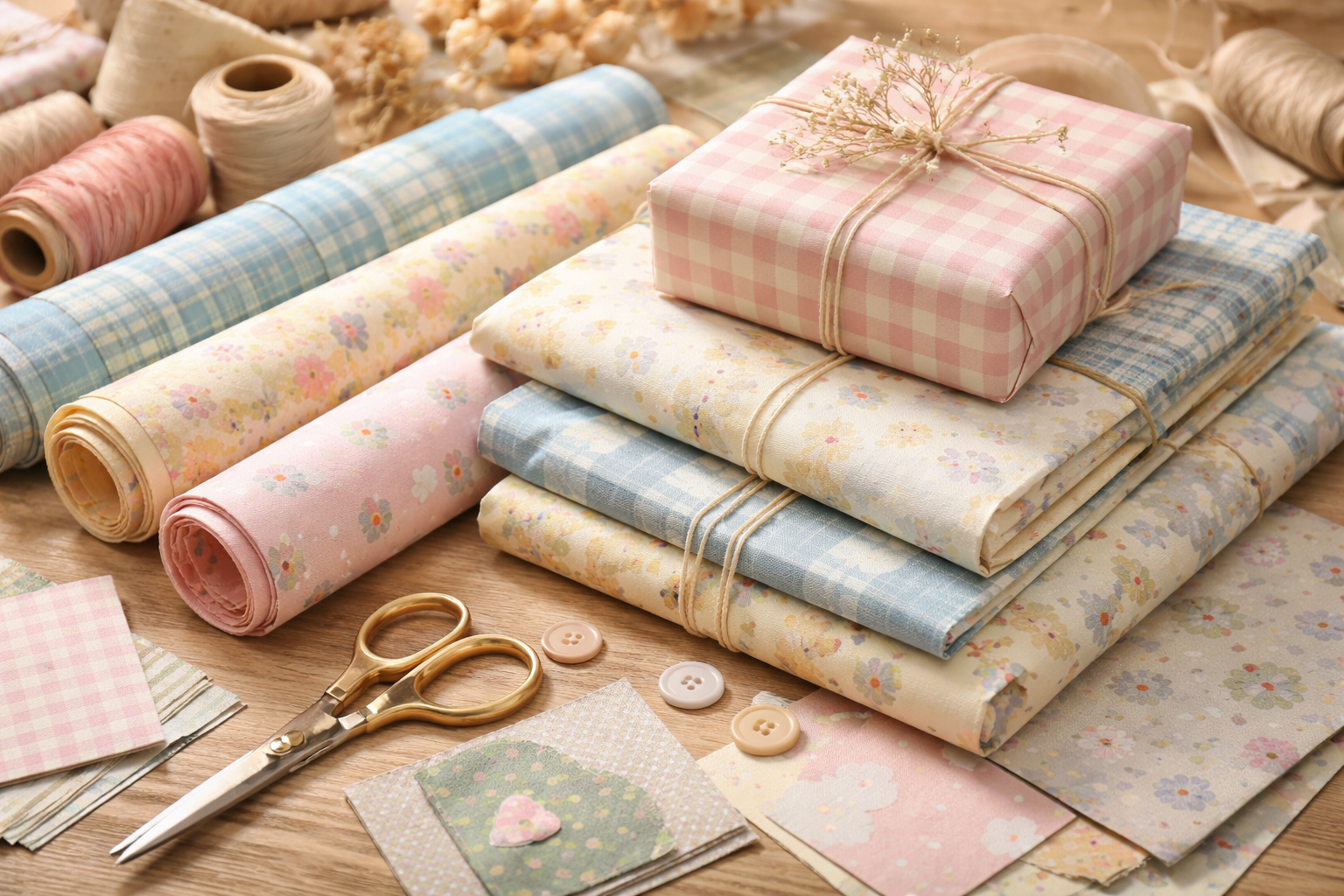
In practical use, pyjamaspapper often refers to paper-like surfaces inspired by pajama fabrics. These surfaces may be soft-textured, fabric-infused, or visually patterned like sleepwear. In metaphorical use, the term can describe designs, products, or experiences meant to feel relaxed and non-intimidating, much like slipping into pajamas after a long day.
What sets pyjamaspapper apart is its emotional tone. It’s not just about how something looks or feels in your hands; it’s about how it makes you slow down, feel safe, and engage more personally.
A Quick Overview of Pyjamaspapper
| Aspect | Description |
|---|---|
| Core idea | Comfort-inspired paper or paper-like material |
| Look & feel | Soft textures, cozy patterns, muted tones |
| Common uses | Crafts, wrapping, journaling, creative projects |
| Emotional appeal | Calm, warmth, familiarity |
| Skill level | Beginner-friendly and versatile |
This overview helps frame pyjamaspapper as both a physical material and a design mindset that values ease and warmth over rigidity.
The Origins and Inspiration Behind Pyjamaspapper
The inspiration behind pyjamaspapper comes from everyday rituals. Pajamas represent rest, privacy, and authenticity. Paper represents expression, notes, letters, and creativity. Combining the two is a response to fast-paced, overly polished environments that leave little room for softness.
Historically, people have always sought comfort in materials. Think of handwritten letters on textured paper or children drawing on soft construction sheets. Pyjamaspapper draws from these traditions while adding a modern appreciation for emotional well-being. It’s influenced by slow living movements, handmade culture, and the desire to make ordinary objects feel kinder.
This concept also reflects how people now value experiences over perfection. A slightly wrinkled, soft surface can feel more inviting than a glossy, flawless one. That human imperfection is central to pyjamaspapper’s appeal.
How Pyjamaspapper Is Used in Everyday Life
Creative and Craft Projects
Pyjamaspapper shines in hands-on creativity. Artists and hobbyists enjoy using it for collage, journaling, scrapbooks, and mixed-media art. Its softness makes projects feel more personal, almost like working with fabric rather than stiff sheets.
Children, in particular, respond well to pyjamaspapper. It’s less intimidating than traditional paper and encourages free expression. Parents and teachers often notice that kids linger longer on creative tasks when the material feels pleasant to touch.
Gift Wrapping and Presentation
One popular use of pyjamaspapper is in gift wrapping. A present wrapped in soft, pajama-inspired paper instantly communicates care. It feels thoughtful, warm, and intentionally different from store-bought glossy wraps.
This approach works beautifully for birthdays, baby showers, or comfort-themed gifts. The wrapping becomes part of the gift itself, often reused or saved because it feels special rather than disposable.
Personal Writing and Journaling
Writing on pyjamaspapper can change how words flow. The gentle texture encourages slower writing, reflection, and honesty. Many people find it ideal for diaries, gratitude journals, or personal letters.
There’s a psychological effect at play. When the surface feels comforting, the mind relaxes. Thoughts come out more freely, and writing becomes less about performance and more about presence.
The Emotional Psychology of Pyjamaspapper
Pyjamaspapper works because humans respond deeply to texture and association. Pajamas are linked to safety and rest. Paper is linked to expression. When those associations merge, they create a sense of permission—to be imperfect, to rest, to create without pressure.
Studies in tactile perception show that softer materials can reduce stress responses. While pyjamaspapper isn’t therapy, it taps into the same sensory logic. It quietly tells the brain that it’s okay to slow down.
This emotional layer is why pyjamaspapper appears across different categories. It’s not limited to crafts or stationery. It’s a mindset that values comfort as a legitimate design goal.
Pyjamaspapper Across Different Fields
Education and Learning Spaces
In classrooms, pyjamaspapper-style materials can soften learning environments. Worksheets or creative prompts printed on gentle, textured surfaces feel less formal. This can help students who feel anxious about making mistakes.
Teachers experimenting with softer materials often notice increased participation. The material itself sets a tone of approachability and care.
Home Décor and Lifestyle
Pyjamaspapper ideas also influence home décor. Think framed prints on soft paper, fabric-paper hybrids used in wall art, or cozy labels for storage. These touches make spaces feel lived-in rather than staged.
Lifestyle brands often adopt pyjamaspapper aesthetics to signal warmth and authenticity. Neutral colors, simple patterns, and tactile finishes all reflect this influence.
Events and Celebrations
From weddings to casual gatherings, pyjamaspapper finds a place in invitations, menus, and place cards. It works especially well for intimate events where comfort and connection matter more than formality.
Guests often comment on how these details feel “nice” or “welcoming,” even if they can’t explain why. That quiet impact is part of the charm.
Pyjamaspapper vs. Traditional Paper Materials
| Feature | Pyjamaspapper | Traditional Paper |
|---|---|---|
| Texture | Soft, fabric-like | Smooth or rigid |
| Emotional tone | Cozy, relaxed | Formal, neutral |
| Typical use | Creative, personal | Office, official |
| Reusability | Often kept or reused | Often discarded |
| Visual style | Muted, patterned | Plain or glossy |
This comparison shows that pyjamaspapper isn’t meant to replace all paper. Instead, it fills a different emotional role—one focused on comfort and connection.
How to Choose or Create Pyjamaspapper
Choosing pyjamaspapper starts with intention. Ask what feeling you want to create. For calm projects, look for soft textures and gentle colors. For playful uses, pajama-style patterns add personality without overwhelming the senses.
Creating your own version is also possible. Many people experiment with fabric overlays, recycled textiles, or soft coatings applied to sturdy paper bases. The goal isn’t perfection; it’s comfort.
A simple way to start is to test small projects. Wrap one gift, create one journal page, or design one card. Notice how people react. The feedback is often immediate and positive.
Sustainability and Thoughtful Consumption
Pyjamaspapper often aligns with mindful consumption. Because it feels special, people tend to reuse it rather than throw it away. This naturally reduces waste without needing strict rules.
Many versions use recycled fibers or fabric scraps, giving materials a second life. This approach turns leftovers into something meaningful rather than disposable.
By choosing materials that people value emotionally, pyjamaspapper encourages care over convenience. That shift matters in a world overwhelmed by throwaway products.
Common Misconceptions About Pyjamaspapper
Some assume pyjamaspapper is childish or impractical. In reality, its softness doesn’t reduce functionality. It simply changes the experience of use.
Others think it’s limited to crafts. As you’ve seen, its influence stretches across education, lifestyle, events, and personal expression. It’s versatile precisely because it’s human-centered.
Understanding these misconceptions helps people appreciate pyjamaspapper for what it truly offers: a gentle alternative, not a lesser one.
The Cultural Meaning of Comfort-First Design
Pyjamaspapper reflects a broader cultural shift. People are redefining productivity, success, and beauty. Comfort is no longer a guilty pleasure; it’s a priority.
This mindset shows up in clothing, home design, work culture, and creative tools. Pyjamaspapper fits neatly into this movement by reminding us that even small materials can influence how we feel.
It’s a quiet rebellion against hardness and speed. And sometimes, that quiet approach is exactly what people need.
Conclusion
Pyjamaspapper is more than a quirky term. It’s a thoughtful blend of comfort and creativity that reshapes how people interact with everyday materials. From crafts and journaling to education and events, it offers a softer, more human experience.
Throughout this article, you’ve seen how pyjamaspapper works emotionally, practically, and culturally. It invites calm, encourages expression, and adds warmth where it’s often missing. The key takeaway is simple: when materials feel good, people engage more deeply.
If you’re looking to add comfort without sacrificing function, experimenting with pyjamaspapper is a meaningful place to start. Small changes can create surprisingly powerful results.
Frequently Asked Questions (FAQs)
What does pyjamaspapper actually mean?
Pyjamaspapper combines the comfort of pajamas with the utility of paper. It refers to soft, cozy, or fabric-inspired paper materials and ideas.
Is pyjamaspapper a real material or just a concept?
It can be both. Some use it to describe physical soft-textured papers, while others use it as a design philosophy focused on comfort.
Where is pyjamaspapper most commonly used?
It’s popular in crafts, gift wrapping, journaling, education, and intimate events where warmth and approachability matter.
Can pyjamaspapper be eco-friendly?
Yes. Many versions use recycled fibers or fabric remnants, and people often reuse it because it feels special.
Why do people respond emotionally to pyjamaspapper?
Because softness and familiar associations reduce stress and invite relaxation, making creative and personal activities feel safer.
Introduction
In a world overflowing with noise, choices, and constant demands, simpciry has quietly emerged as a refreshing way to rethink how we live, work, and relate to what truly matters. At its core, simpciry is about intentional simplicity—choosing clarity over chaos and meaning over excess. It isn’t about deprivation or doing less just for the sake of it. Instead, it’s about aligning your decisions with purpose and cutting through the clutter that drains time, energy, and focus.
This article explores simpciry as a mindset, a practice, and a flexible life philosophy. You’ll learn what simpciry really means, where it comes from, how it shows up in everyday life, and why it resonates across cultures and industries. By the end, you’ll have practical insights you can apply immediately, without needing to radically change who you are or how you live.
What Is Simpciry? Understanding the Core Idea
Simpciry is the practice of reducing unnecessary complexity while preserving depth, quality, and intention. Unlike traditional ideas of simplicity that focus on minimal possessions or aesthetics, simpciry looks deeper. It asks why something exists in your life before deciding whether it belongs there.
Will You Check This Article: Buffstream Explained: What It Is, How It Works, and Safer Choices
At its heart, simpciry blends awareness with action. You become conscious of what overwhelms you, then deliberately redesign your habits, environments, and priorities. This makes simpciry adaptable. It can apply to personal routines, creative work, relationships, decision-making, or even how organizations operate.
What sets simpciry apart is that it’s not rigid. One person’s version may involve a streamlined schedule, while another’s might focus on clearer communication or fewer but stronger commitments. The philosophy respects individuality while offering a shared foundation: clarity creates freedom.
The Origins and Evolution of Simpciry
Although the term simpciry feels modern, the idea itself isn’t new. Throughout history, thinkers and cultures have explored similar concepts under different names. Ancient philosophies often emphasized balance, restraint, and intentional living as paths to fulfillment.
Simpciry, however, evolved in response to modern pressures. Digital overload, endless choices, and constant comparison have made complexity the default state of life. In this context, simpciry emerged as a counterbalance—a way to reclaim control without rejecting progress.
Over time, the concept expanded beyond personal lifestyle choices. Designers, educators, leaders, and creators began applying simpciry to systems and processes. By focusing on what truly adds value, they found better outcomes with less friction. Today, simpciry continues to evolve as a flexible framework rather than a fixed rulebook.
Why Simpciry Matters in Everyday Life
The importance of simpciry becomes clear when you look at how complexity affects well-being. Overloaded schedules and constant multitasking often lead to stress, indecision, and burnout. Simpciry addresses these challenges at their root.
By simplifying inputs, you improve outputs. Fewer distractions mean deeper focus. Clearer priorities lead to better decisions. When life feels lighter, creativity and confidence tend to grow naturally. Simpciry doesn’t promise perfection, but it creates space for improvement.
Another reason simpciry matters is sustainability. When you stop overcommitting and overconsuming, you conserve energy—both personal and collective. This makes simpciry relevant not only for individuals but also for teams and communities seeking long-term balance.
Simpciry vs. Traditional Simplicity
It’s easy to confuse simpciry with minimalism or basic simplicity, but there are meaningful differences. Traditional simplicity often emphasizes reduction—fewer items, fewer choices, fewer responsibilities. Simpciry, on the other hand, emphasizes alignment.
To clarify the distinction, consider the comparison below.
| Aspect | Traditional Simplicity | Simpciry |
|---|---|---|
| Focus | Reducing quantity | Clarifying purpose |
| Approach | External removal | Internal alignment |
| Flexibility | Often rule-based | Highly adaptable |
| Goal | Less stuff | More meaning |
This comparison highlights why simpciry feels more inclusive. You don’t need to follow strict rules or adopt a specific lifestyle. Instead, you decide what adds value and remove what doesn’t—on your own terms.
How Simpciry Shows Up Across Different Areas
Simpciry in Personal Decision-Making
Every day involves countless decisions, many of which are unnecessary. Simpciry encourages filtering choices through a simple question: does this support my priorities? Over time, this reduces decision fatigue and builds confidence.
When decisions align with values, regret fades. Even difficult choices feel lighter because they’re intentional. Simpciry doesn’t eliminate uncertainty, but it replaces confusion with clarity.
Simpciry in Work and Productivity
In professional settings, simpciry often appears as streamlined workflows and clearer communication. Instead of doing more tasks, people focus on the right ones. This leads to better outcomes with less stress.
Teams that embrace simpciry tend to prioritize quality over quantity. Meetings become purposeful, goals become clearer, and collaboration improves. The result isn’t laziness—it’s effectiveness without exhaustion.
Simpciry in Relationships
Relationships thrive on clarity. Simpciry in this context means honest communication, realistic expectations, and emotional boundaries. Rather than maintaining numerous shallow connections, people invest in fewer, deeper ones.
This doesn’t mean isolating yourself. It means engaging with others in ways that feel authentic and balanced. Simpciry supports connection without obligation overload.
Common Misconceptions About Simpciry
One common misconception is that simpciry means giving things up. In reality, it’s about making room for what matters most. You may let go of certain habits or commitments, but only to strengthen what remains.
Another misunderstanding is that simpciry is boring or restrictive. Many people assume less complexity equals less excitement. However, those who practice simpciry often report the opposite. With fewer distractions, experiences feel richer and more immersive.
Some also believe simpciry requires drastic change. While it can involve transformation, it usually begins with small adjustments. Minor shifts in perspective often create major improvements over time.
Practical Ways to Practice Simpciry Daily
Practicing simpciry doesn’t require a complete lifestyle overhaul. It begins with awareness. Notice where complexity drains your energy or attention. Then, make gentle adjustments that restore balance.
Start by simplifying one area at a time. This could be your morning routine, your communication style, or how you plan your week. Consistency matters more than speed. As clarity grows, simpciry becomes second nature rather than a conscious effort.
Another effective approach is reflection. Regularly ask yourself whether your current choices still serve your goals. Simpciry thrives on flexibility, so it evolves as your priorities change.
The Psychological Impact of Simpciry
From a psychological perspective, simpciry reduces cognitive load. When your environment and routines are clear, your mind has more space to think creatively and respond calmly. Stress often decreases because there are fewer competing demands.
Simpciry also strengthens self-trust. When you act intentionally, you reinforce the belief that you can make good decisions. This builds confidence over time, making it easier to handle complexity when it truly matters.
Interestingly, simpciry doesn’t eliminate challenges. Instead, it reframes them. Problems feel manageable because they’re not buried under unnecessary noise.
Simpciry as a Long-Term Philosophy
Unlike short-term trends, simpciry is sustainable. It adapts as life changes, making it suitable for different stages and circumstances. Whether you’re navigating growth, transition, or stability, simpciry offers a steady foundation.
Over the long term, this philosophy encourages mindful evolution. You’re not constantly chasing more. Instead, you refine what you already have. This creates a sense of continuity and calm that’s rare in fast-paced environments.
Simpciry also fosters resilience. By focusing on essentials, you’re better equipped to handle uncertainty. When external conditions shift, your internal clarity remains intact.
Conclusion
Simpciry is more than a concept—it’s a practical way to reclaim clarity in a complex world. By focusing on intention rather than reduction, it offers flexibility, depth, and balance. Throughout this article, we explored what simpciry means, how it differs from traditional simplicity, and how it applies across personal, professional, and relational areas.
The true power of simpciry lies in its adaptability. You don’t need to change everything at once. Small, thoughtful adjustments can lead to meaningful transformation over time. By choosing clarity, you create space for what truly matters.
If you’re seeking a calmer, more focused way of living without sacrificing richness or growth, simpciry provides a confident and sustainable path forward.
Frequently Asked Questions (FAQs)
What does simpciry mean in simple terms?
Simpciry means intentionally reducing unnecessary complexity while keeping what adds meaning and value to your life.
Is simpciry the same as minimalism?
No. Minimalism focuses on reducing possessions, while simpciry focuses on aligning choices with purpose and clarity.
Can simpciry apply to work life?
Yes. Simpciry helps streamline tasks, improve focus, and create clearer priorities in professional settings.
Do you need to change your lifestyle to practice simpciry?
Not completely. Simpciry usually starts with small, mindful changes rather than drastic shifts.
Why is simpciry becoming popular now?
Because modern life is increasingly complex, many people are seeking clarity, balance, and intentional living.

movirz and the Shadow World of Free Movie Streaming SitesHub

rwu uar: A Transformative Academic Alliance Model Vision 26

valplekar: Roots, Meaning, and Cultural Legacy

Camehoresbay: Exploring a Mysterious Digital-Sounding Term

Inter Miami vs Tigres UANL Timeline: A Clash Shaping Modern Football
