
Blogs
NTDTVJP: A Deep Look Into Its Media Mission and Impact


Introduction
In an age where media shapes how people understand the world, ntdtvjp has carved out a unique space by focusing on independent journalism, cultural storytelling, and alternative perspectives. Many readers first encounter ntdtvjp while searching for news that feels calmer, deeper, and less driven by sensationalism. This article explores what ntdtvjp truly represents, how it operates, and why it matters today. By the end, you’ll understand its origins, its editorial philosophy, and the growing role it plays in global and Japanese media landscapes.
What Is NTDTVJP?
NTDTVJP is widely recognized as the Japanese-language branch of New Tang Dynasty Television, an international media organization known for news, cultural programs, and documentary-style reporting. The “JP” extension reflects its focus on Japanese audiences, content, and cultural context.
Will You Check This Article: Viltnemnda Explained: Norway’s Local Wildlife Authority
Unlike many mainstream outlets, ntdtvjp emphasizes long-form explanations, historical background, and values-driven storytelling. Its coverage often spans politics, human rights, traditional culture, science, and lifestyle topics. This diversity allows it to appeal to readers and viewers who want more than quick headlines.
Key Facts About NTDTVJP
| Aspect | Details |
|---|---|
| Full Name | New Tang Dynasty Television Japan |
| Language Focus | Japanese |
| Content Type | News, culture, documentaries |
| Core Approach | Independent, values-based reporting |
| Audience | Japan and global Japanese speakers |
This structure helps ntdtvjp serve as both a news source and a cultural bridge.
The Origins and Philosophy Behind NTDTVJP
Understanding ntdtvjp begins with its roots. New Tang Dynasty Television was founded with the idea that media should inform without manipulation. That guiding principle remains visible in the Japanese branch today.
Rather than chasing trends, ntdtvjp often revisits historical events, ethical debates, and cultural traditions. This approach resonates with audiences who feel overwhelmed by fast-paced media cycles. The philosophy is simple: give people time, context, and respect.
Many viewers describe the tone as calm yet firm. Instead of emotional pressure, programs rely on facts, interviews, and thoughtful narration. This balance has become one of ntdtvjp’s defining characteristics.
Editorial Focus and Content Categories
News With Context
News coverage on ntdtvjp tends to focus on international affairs, social developments, and policy discussions. What sets it apart is the emphasis on background. Stories often include historical timelines, expert commentary, and cross-cultural viewpoints.
This style helps readers understand not just what happened, but why it matters. For people seeking clarity in complex issues, this can be refreshing.
Culture and Tradition
A major pillar of ntdtvjp is cultural programming. Shows frequently explore traditional Japanese arts, Eastern philosophy, and classical performance. These segments highlight continuity between past and present.
By treating culture as living knowledge rather than nostalgia, ntdtvjp helps younger audiences reconnect with heritage while introducing global viewers to Japanese traditions.
Human Rights and Social Issues
Another defining feature is its attention to human rights topics. Reports often focus on freedom of belief, expression, and personal dignity. These stories are handled carefully, with interviews and documented sources rather than dramatic framing.
This approach builds trust and encourages reflection instead of outrage.
How NTDTVJP Differs From Mainstream Media
The difference between ntdtvjp and mainstream outlets lies less in subject matter and more in intent. While many platforms prioritize speed and volume, ntdtvjp values depth and continuity.
Programs are often longer, allowing issues to unfold naturally. Hosts speak directly and calmly, avoiding jargon when possible. This makes complex topics accessible without oversimplification.
Another distinction is audience engagement. Rather than pushing opinions, ntdtvjp invites viewers to form their own conclusions. That subtle shift changes how information is received and remembered.
Digital Presence and Accessibility
NTDTVJP has adapted steadily to digital consumption habits. Content is accessible through websites, video platforms, and social channels. This multi-format approach allows audiences to choose how they engage, whether through reading, watching, or listening.
The digital strategy emphasizes consistency over virality. Regular updates, archived programs, and thematic series help build long-term relationships with viewers.
This steady growth reflects trust built over time, not sudden spikes of attention.
Case Study: Long-Form Reporting in Action
One notable example of ntdtvjp’s style is its coverage of global public health debates. Instead of focusing solely on breaking news, programs explored policy decisions, historical precedents, and ethical concerns.
Interviews with doctors, researchers, and citizens created a layered narrative. Viewers were able to see multiple sides without feeling pushed toward a single conclusion. This case highlights how long-form reporting can reduce confusion and emotional fatigue.
Audience and Community Impact
The audience of ntdtvjp is diverse. It includes professionals seeking balanced news, older viewers drawn to cultural programs, and younger audiences curious about global issues. This mix creates a quiet but engaged community.
Feedback often mentions trust and calmness. Viewers appreciate the absence of sensational tone and the respect shown toward subjects and audiences alike.
Over time, this relationship turns viewers into participants who share content thoughtfully rather than impulsively.
Challenges and Criticism
Like any media organization, ntdtvjp faces challenges. Critics sometimes argue that its perspectives differ from mainstream narratives. Others question its reach compared to larger outlets.
However, these challenges also define its role. By existing outside dominant media patterns, ntdtvjp fills gaps that others overlook. Its influence lies in depth, not dominance.
Maintaining independence while expanding reach remains an ongoing balance.
The Broader Role of NTDTVJP in Modern Media
In today’s crowded information environment, platforms like ntdtvjp serve an important function. They slow the pace of information, encourage reflection, and preserve cultural memory.
This role becomes more valuable as audiences seek meaning rather than noise. NTDTVJP demonstrates that media can inform without overwhelming, and educate without lecturing.
Its continued presence suggests that there is lasting demand for thoughtful storytelling.
Conclusion
NTDTVJP stands as a reminder that media can be both informative and humane. From its roots in independent journalism to its focus on culture and human rights, it offers an alternative path in modern information sharing. The key takeaway is clear: depth, context, and respect still matter. For readers and viewers seeking clarity and calm, ntdtvjp provides a meaningful space to learn, reflect, and stay informed with confidence.
Frequently Asked Questions (FAQs)
What does ntdtvjp stand for?
NTDTVJP refers to the Japanese branch of New Tang Dynasty Television, focusing on Japanese-language news and cultural content.
Is ntdtvjp only for Japanese audiences?
While it targets Japanese speakers, its content is also followed by global audiences interested in Japan-focused perspectives.
What type of programs does ntdtvjp produce?
It produces news reports, cultural features, documentaries, and discussions on social and human rights issues.
How is ntdtvjp different from mainstream news outlets?
Its main difference lies in long-form, context-rich reporting and a calm, non-sensational presentation style.
Why do people trust ntdtvjp?
Viewers often cite transparency, depth, and respectful storytelling as reasons for trusting the platform.

Introduction
Across the evolving landscape of higher education, partnerships and institutional frameworks have become more than administrative tools; they are strategic engines shaping how knowledge is produced, shared, and applied. In that context, rwu uar has emerged as a compelling model of academic alignment, integration, and forward-thinking collaboration. Though not widely discussed in mainstream educational discourse, rwu uar represents a deeper shift in how universities structure governance, curriculum coherence, and cross-institutional engagement.
The modern university is no longer confined to lecture halls and isolated research centers. It thrives through networks, policy frameworks, and adaptive systems that connect faculty expertise, student mobility, and community impact. rwu uar stands as a case study in how structured academic relationships can elevate institutional identity while expanding opportunities for innovation. Rather than functioning as a symbolic partnership, it reflects a purposeful alignment of values, operational systems, and long-term academic goals.
Understanding rwu uar requires looking beyond surface definitions and examining the philosophical and structural intentions behind it. At its core, it is about integration without erasing institutional individuality. It balances autonomy with cooperation, creating a platform where educational ecosystems can grow more resilient and globally responsive.
What Is rwu uar
rwu uar refers to a structured academic alliance framework designed to coordinate academic standards, resource sharing, research collaboration, and strategic governance between aligned institutions operating under complementary missions. Rather than a temporary agreement or ceremonial affiliation, rwu uar functions as a formalized model of institutional cooperation that influences curriculum design, faculty collaboration, and student academic pathways.
Will You Check This Article: valplekar: Roots, Meaning, and Cultural Legacy
In practical terms, rwu uar establishes shared policies, credit recognition systems, research protocols, and administrative standards that allow institutions to operate cohesively while maintaining their distinct academic cultures. It serves as a bridge between institutions that seek deeper integration without full merger. This distinction is critical. Unlike traditional consolidations where one institution absorbs another, rwu uar emphasizes coordinated growth and structured autonomy.
The framework typically includes clearly articulated governance mechanisms. These mechanisms determine how decisions are made, how academic programs are evaluated across institutions, and how shared initiatives are funded and assessed. The purpose is not merely operational efficiency. It is intellectual synergy. When implemented effectively, rwu uar becomes a catalyst for interdisciplinary research, expanded student mobility, and global academic positioning.
At a philosophical level, rwu uar reflects a recognition that higher education faces complex challenges, including funding constraints, technological disruption, and shifting workforce demands. By creating integrated academic ecosystems, institutions can adapt more strategically to these pressures.
The Historical Context Behind rwu uar
The development of rwu uar did not occur in isolation. It emerged from broader trends in global higher education where collaboration increasingly replaced competition as a defining principle. Universities began recognizing that research excellence and academic prestige often depend on networks rather than isolated achievements.
Historically, many institutions formed partnerships focused on exchange programs or joint research projects. However, these partnerships often lacked structural depth. They were flexible but fragile. rwu uar evolved as a response to this limitation. It introduced formalized systems that ensured long-term stability and measurable impact.
The timing of rwu uar’s emergence also coincided with the rapid digital transformation of education. Online learning platforms, shared research databases, and global conferencing tools made deeper integration not only possible but practical. Institutions could coordinate curricula across campuses, co-supervise doctoral candidates, and build shared research clusters without geographic barriers.
Another driving factor was accountability. Governments and accreditation bodies increasingly demanded transparency in academic quality, financial management, and student outcomes. A structured framework like rwu uar provided a standardized approach to meeting these expectations while preserving institutional innovation.
Structural Components of rwu uar
The strength of rwu uar lies in its architecture. It is not simply a memorandum of understanding but a layered system of academic and administrative alignment.
First, academic coordination forms the foundation. Programs offered under the rwu uar structure are reviewed for equivalency, ensuring that credit transfers, degree pathways, and assessment methods align across participating institutions. This coordination allows students to move between campuses or collaborative programs without bureaucratic friction.
Second, research integration plays a central role. Faculty members operate within shared thematic research clusters, enabling joint grant applications, shared laboratory resources, and co-authored publications. This integration increases competitiveness in securing funding and enhances global research visibility.
Third, governance alignment ensures decision-making consistency. Committees composed of representatives from participating institutions oversee policy development, quality assurance, and strategic planning. This governance model balances representation with efficiency, preventing the fragmentation that often undermines collaborative efforts.
Financial frameworks are also embedded within rwu uar. Cost-sharing models, revenue distribution agreements, and joint investment strategies create sustainability. Rather than relying on temporary grants, the alliance builds long-term financial planning into its structure.
These components collectively transform rwu uar from an abstract concept into a living academic ecosystem.
Academic Impact and Student Experience
One of the most compelling aspects of rwu uar is its direct influence on student opportunities. Under traditional systems, students often face limitations tied to institutional boundaries. Access to specialized courses, research mentors, or global partnerships may depend on their home campus resources.
Within the rwu uar framework, these boundaries become more permeable. Students can participate in cross-institutional research projects, enroll in shared elective courses, and benefit from broader internship networks. This expanded academic landscape fosters intellectual curiosity and interdisciplinary thinking.
Furthermore, the integration of academic standards under rwu uar enhances credential recognition. Employers and graduate schools recognize that students trained within this system have navigated diverse academic environments and collaborative frameworks. Such exposure builds adaptability, communication skills, and cross-cultural competence.
Another dimension is mentorship. Faculty collaboration across institutions broadens the mentorship pool available to students. Joint supervision arrangements allow students to receive guidance from multiple experts, enriching their research and professional development.
In essence, rwu uar transforms the student experience from institution-centered to network-centered learning.
Research Synergy and Innovation
Research is often the most visible marker of institutional excellence. rwu uar strengthens this dimension by creating structured channels for collaboration. Instead of ad hoc research partnerships, the alliance establishes thematic research hubs aligned with strategic priorities such as sustainability, technological innovation, or public health.
These hubs facilitate resource pooling. Laboratories, data archives, and specialized equipment become accessible across institutional boundaries. Faculty members gain access to broader intellectual communities, leading to interdisciplinary breakthroughs that might not emerge within isolated departments.
Joint research under rwu uar also enhances global competitiveness. Funding agencies increasingly prioritize collaborative proposals that demonstrate diverse expertise and cross-institutional cooperation. The structured nature of rwu uar provides a ready-made platform for such proposals.
Importantly, innovation within this framework is not limited to scientific research. It extends to pedagogical experimentation, curriculum design, and digital learning strategies. Faculty can pilot new teaching models collaboratively, evaluate outcomes, and scale successful approaches across campuses.
Governance Philosophy and Strategic Vision
The governance philosophy behind rwu uar is grounded in balance. Central coordination exists, but it does not suppress institutional identity. Participating institutions retain their missions, branding, and academic traditions while operating within shared strategic parameters.
This dual identity model is particularly relevant in an era where universities seek global partnerships without sacrificing local commitments. rwu uar allows institutions to remain rooted in their communities while participating in broader academic networks.
Strategically, the framework emphasizes long-term planning. Multi-year development roadmaps outline goals related to research output, student mobility, digital infrastructure, and community engagement. Regular evaluations ensure accountability and continuous improvement.
Transparency is another defining feature. Data sharing agreements allow institutions to monitor performance indicators collectively. This transparency fosters trust and reduces the competition-driven secrecy that can undermine collaboration.
Challenges and Critical Considerations
No academic framework is without challenges, and rwu uar is no exception. Aligning curricula across institutions requires meticulous negotiation. Differences in grading systems, accreditation requirements, and cultural academic norms must be reconciled carefully.
Financial equity can also present complexities. Ensuring fair resource distribution and revenue sharing demands detailed agreements and ongoing oversight. Without clear financial governance, collaborative enthusiasm can erode.
There is also the human dimension. Faculty and administrators accustomed to independent decision-making may initially resist shared governance structures. Building a collaborative culture requires patience, communication, and leadership commitment.
However, these challenges do not diminish the value of rwu uar. Instead, they highlight the importance of thoughtful implementation. When institutions approach the framework with transparency and mutual respect, obstacles become opportunities for institutional growth.
The Broader Significance of rwu uar
Beyond its immediate participants, rwu uar represents a broader shift in educational philosophy. It signals a move toward systemic collaboration as a defining feature of academic excellence. In a world facing complex global issues, isolated expertise is insufficient. Structured cooperation becomes essential.
The model demonstrates that integration need not compromise diversity. Institutions can align strategically while preserving distinctive strengths. This balance is particularly relevant for universities navigating globalization, digital transformation, and evolving labor markets.
Moreover, rwu uar offers a replicable blueprint. Other institutions observing its outcomes can adapt its principles to their contexts, fostering networks that extend beyond regional or national boundaries.
Conclusion
rwu uar stands as more than an administrative arrangement. It embodies a forward-looking vision of higher education rooted in collaboration, structural integrity, and shared ambition. By aligning governance, academic standards, and research priorities, it transforms individual institutions into a cohesive intellectual ecosystem.
Its true strength lies in balance. It preserves institutional identity while enabling collective progress. It supports student mobility without sacrificing academic rigor. It encourages innovation through structured cooperation rather than isolated experimentation.
In a rapidly changing educational landscape, frameworks like rwu uar provide stability without stagnation. They demonstrate that meaningful integration can enhance excellence rather than dilute it. As higher education continues to evolve, the principles underlying rwu uar may well shape the future of global academic collaboration.
FAQs
What does rwu uar stand for in higher education?
rwu uar refers to a structured academic alliance framework that coordinates governance, curriculum standards, and research collaboration between aligned institutions.
How does rwu uar benefit students?
Students gain access to expanded academic resources, cross-institutional research opportunities, shared courses, and broader professional networks within the integrated system.
Is rwu uar the same as a university merger?
No, rwu uar is not a merger. It is a collaborative framework that maintains institutional independence while aligning strategic and academic operations.
What makes rwu uar different from traditional partnerships?
Unlike informal partnerships, rwu uar includes formal governance structures, shared academic standards, and long-term strategic planning mechanisms.
Can the rwu uar model be replicated by other institutions?
Yes, the principles behind rwu uar can be adapted by other universities seeking deeper collaboration without full institutional consolidation.
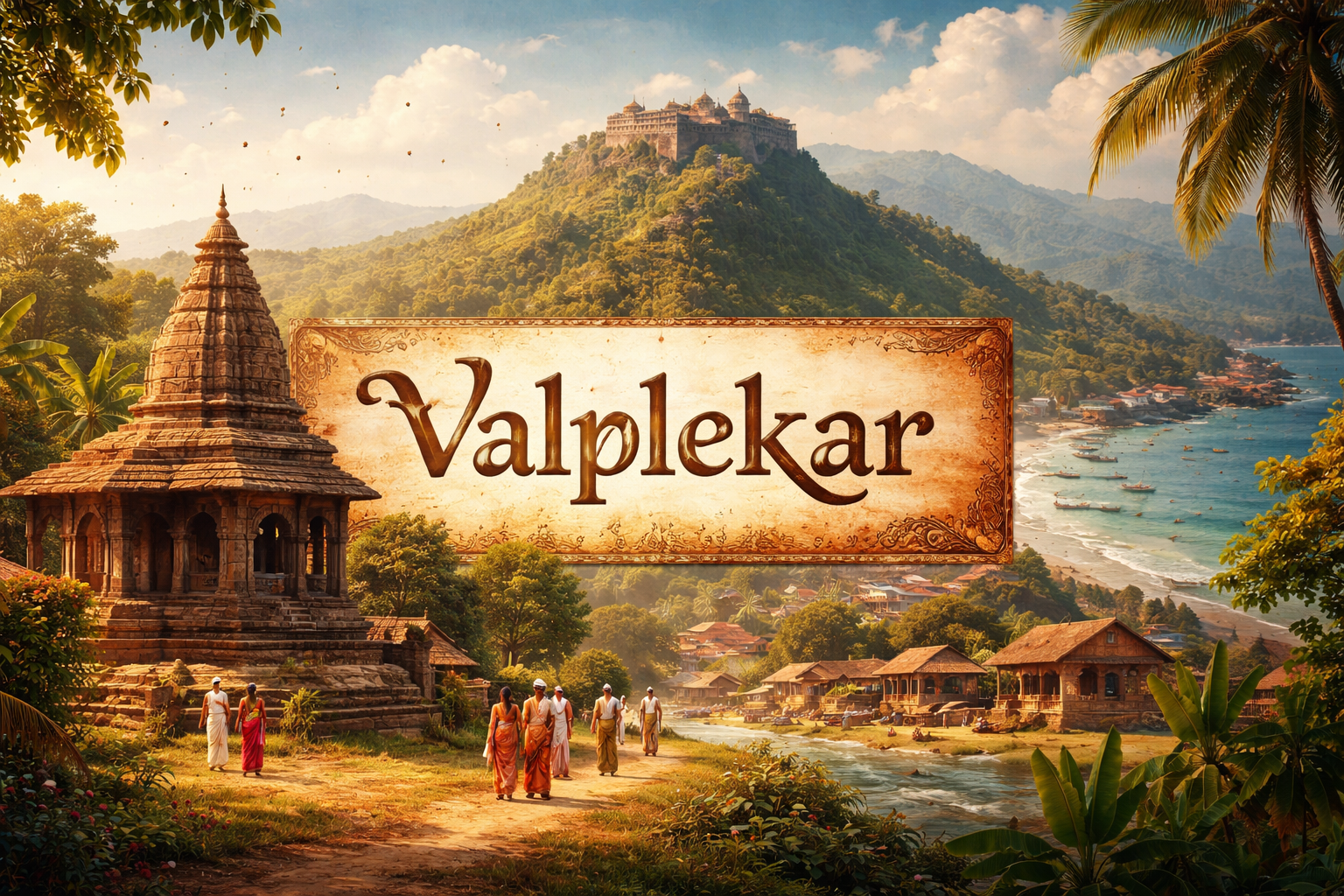
Introduction
Surnames often carry stories that stretch far beyond a simple family label. They preserve geography, profession, social structure, and memory in ways that few other words can. The name valplekar belongs to this meaningful category. Though it may not dominate headlines or popular culture, it carries a quiet depth rooted in regional identity and linguistic tradition. Exploring valplekar opens a window into patterns of settlement, cultural shifts, and the subtle architecture of Indian naming conventions.
Unlike widely documented royal or political lineages, valplekar represents something more intimate and historically grounded. It reflects the layered heritage of western India, particularly the Marathi-speaking regions, where surnames evolved from villages, occupations, and community roles. To understand valplekar is not to study a single person’s life story, but to examine how language, land, and lineage intertwine over generations.
This article unpacks the meaning, origin, and broader significance of valplekar. It examines its linguistic roots, geographic associations, and cultural importance while placing it within the wider structure of Indian surname traditions.
What Is valplekar
Valplekar is a surname of Marathi origin, most commonly associated with families from the state of Maharashtra in India. The name appears to follow a well-established Marathi naming pattern in which the suffix “-kar” denotes geographical origin. In many cases, the “-kar” ending means “from” or “belonging to” a particular place.
Will You Check This Article: çievri The Forgotten Philosophy of Living Cycles and Renewal
The first part of the name, “Valple” or “Walple,” likely refers to a village or locality. When combined with the suffix, valplekar essentially translates to “a person from Valple.” This structure is not unusual in Maharashtra, where surnames such as Kolhapurkar, Nagarkar, or Ratnagirik ar similarly connect families to their ancestral towns.
Therefore, valplekar is not a title or occupational label but primarily a locational surname. It preserves a historical connection to a specific geographic origin, even if present-day bearers of the name live far from that original settlement.
Linguistic Structure and Etymological Insight
The construction of valplekar reveals important insights into Marathi linguistic traditions. Marathi surnames frequently evolved during periods when community identification became essential for administration, land ownership, and social organization. The suffix “-kar” became one of the most recognizable markers of such identity.
In the case of valplekar, the root likely stems from a place name that may have changed slightly in pronunciation or spelling over time. Linguistic shifts are common in regional dialects, especially when names are transliterated into English from Devanagari script. The variation between “Valplekar” and “Walplekar” in some records reflects this phonetic transition rather than a fundamental change in meaning.
The word structure suggests rural or semi-rural origins. Many village-based surnames developed when families migrated for trade, education, or administrative service. Identifying oneself as a valplekar would have immediately signaled ancestral belonging to a specific region.
Such names functioned as markers of trust and identity. In older community networks, knowing someone’s surname often revealed their social background, dialect, and even customary practices.
Geographic and Cultural Roots
Understanding valplekar requires acknowledging the historical fabric of Maharashtra. This state has long been a crossroads of maritime trade, agrarian settlements, and cultural reform movements. Villages in the Konkan belt and inland districts often became the source of surnames that traveled across cities like Pune and Mumbai over the centuries.
Families bearing the surname valplekar may trace their origins to small settlements where agriculture, temple administration, or local governance shaped everyday life. Migration patterns during the colonial period further dispersed such surnames. Educational opportunities and administrative roles under British rule encouraged many Maharashtrian families to relocate to urban centers, carrying their village-based identities with them.
The surname thus becomes a record of mobility. Even if the original village is no longer central to daily life, the name preserves that connection. In a society where lineage and ancestry often matter deeply, valplekar quietly maintains its historical anchor.
The Social Function of Surnames Like valplekar
In traditional Indian communities, surnames served purposes beyond identification. They helped establish marriage alliances, indicated caste or community networks, and reinforced social belonging. While modern urban life has diluted some of these functions, the underlying cultural logic remains visible.
A surname such as valplekar historically signaled regional roots. Within Maharashtrian society, village-based surnames often coexisted alongside caste-based surnames. The interaction between these naming conventions created layered identities. Someone identified as valplekar might also be recognized through broader community affiliations.
It is important, however, not to oversimplify this relationship. Over time, surnames moved across community boundaries due to migration, social reform, and intermarriage. Therefore, valplekar today cannot be rigidly confined to a single social classification. Its meaning has evolved along with the society in which it exists.
The broader lesson here is that surnames are dynamic. They adapt to shifting contexts while preserving their historical essence.
Migration, Modernity, and Identity
The twentieth century transformed many regional surnames. Industrialization in Mumbai, educational expansion in Pune, and professional mobility across India and abroad carried names like valplekar far beyond their geographic origins.
In modern settings, such surnames often become cultural markers rather than strictly locational identifiers. A professional living in the United States or the Middle East may still retain valplekar as a reminder of ancestral roots. The name becomes a bridge between past and present, geography and diaspora.
Interestingly, diaspora communities often develop a stronger awareness of surname meaning. When individuals are surrounded by diverse cultures, curiosity about heritage intensifies. In this way, valplekar gains renewed importance among second- and third-generation migrants seeking to understand their lineage.
The digital age has further strengthened this process. Social media and genealogy platforms allow families to reconnect with distant relatives and explore the history embedded in their names.
Cultural Memory and Emotional Resonance
Beyond linguistics and geography, valplekar carries emotional weight. For many families, a surname is intertwined with stories told by grandparents, temple visits during annual trips to ancestral villages, or preserved land documents bearing old signatures.
These memories transform the name from a simple identifier into a vessel of belonging. In cultures where oral tradition plays a powerful role, surnames act as narrative anchors. They remind younger generations that their personal achievements are linked to a broader historical journey.
Even when urbanization reduces direct ties to ancestral villages, the emotional resonance persists. A family gathering, a wedding invitation, or a ceremonial document bearing the name valplekar reaffirms continuity across generations.
This continuity is not static. It evolves, absorbing new experiences while holding onto inherited memory.
The Broader Context of Marathi Surname Traditions
To appreciate valplekar fully, one must understand the broader ecosystem of Marathi surnames. Maharashtra’s naming culture reflects centuries of political change, from Maratha rule to colonial administration and modern democratic governance.
Village-based surnames like valplekar stand alongside occupational surnames and honorific titles. Together, they create a rich mosaic of identity. This diversity illustrates how language preserves layers of history long after political structures shift.
Marathi literature and archival records frequently mention village-based surnames, especially in land grants, temple donations, and educational registries. Though not all names appear prominently in written history, they collectively form the backbone of regional heritage.
Valplekar belongs to this quiet yet significant category. It may not be widely publicized, but it carries equal historical legitimacy.
Contemporary Relevance of valplekar
In contemporary society, surnames function differently than they once did. Professional qualifications and personal achievements now often overshadow ancestral identifiers. Yet, names still matter. They shape first impressions, signal cultural background, and sometimes inspire curiosity.
For younger generations, understanding the meaning of valplekar can foster a stronger sense of rootedness. In an era defined by rapid globalization, having a tangible link to place and history can provide psychological stability.
Moreover, renewed interest in genealogy and regional heritage has encouraged families to revisit village records and temple archives. Such exploration often uncovers fascinating details about migration timelines, land ownership patterns, and community roles.
Valplekar, therefore, is not just a relic of the past. It is a living thread connecting heritage with modern identity.
Conclusion
The surname valplekar represents far more than a sequence of letters. It embodies geography, language, migration, and cultural continuity. Rooted in Marathi naming traditions, it reflects the enduring practice of linking identity to ancestral land.
As families carrying the name have moved across cities and continents, the surname has adapted to new contexts without losing its core meaning. It continues to serve as a subtle reminder of origin, belonging, and intergenerational memory.
In a world where identities are increasingly fluid, names like valplekar anchor individuals to a shared past. They remind us that history does not always reside in monuments or textbooks. Sometimes, it lives quietly within the names we carry every day.
FAQs
What does the surname valplekar mean?
The surname valplekar likely means “a person from Valple,” following the Marathi convention where the suffix “-kar” denotes origin from a specific place. It reflects geographical roots rather than occupation.
Is valplekar associated with a specific region?
Yes, valplekar is generally associated with Maharashtra in western India, where village-based surnames with the “-kar” suffix are common.
Is valplekar a caste-based surname?
Valplekar is primarily a locational surname. While surnames in India sometimes overlap with community identities, valplekar itself indicates geographic origin rather than a fixed caste designation.
How did surnames like valplekar spread beyond their original villages?
Migration for education, trade, administrative roles, and professional opportunities carried families to urban centers and abroad. Over time, the surname traveled with them, preserving ancestral identity.
Why is understanding the meaning of valplekar important today?
Understanding the meaning of valplekar helps individuals connect with their heritage, appreciate regional history, and maintain a sense of continuity in an increasingly globalized world.
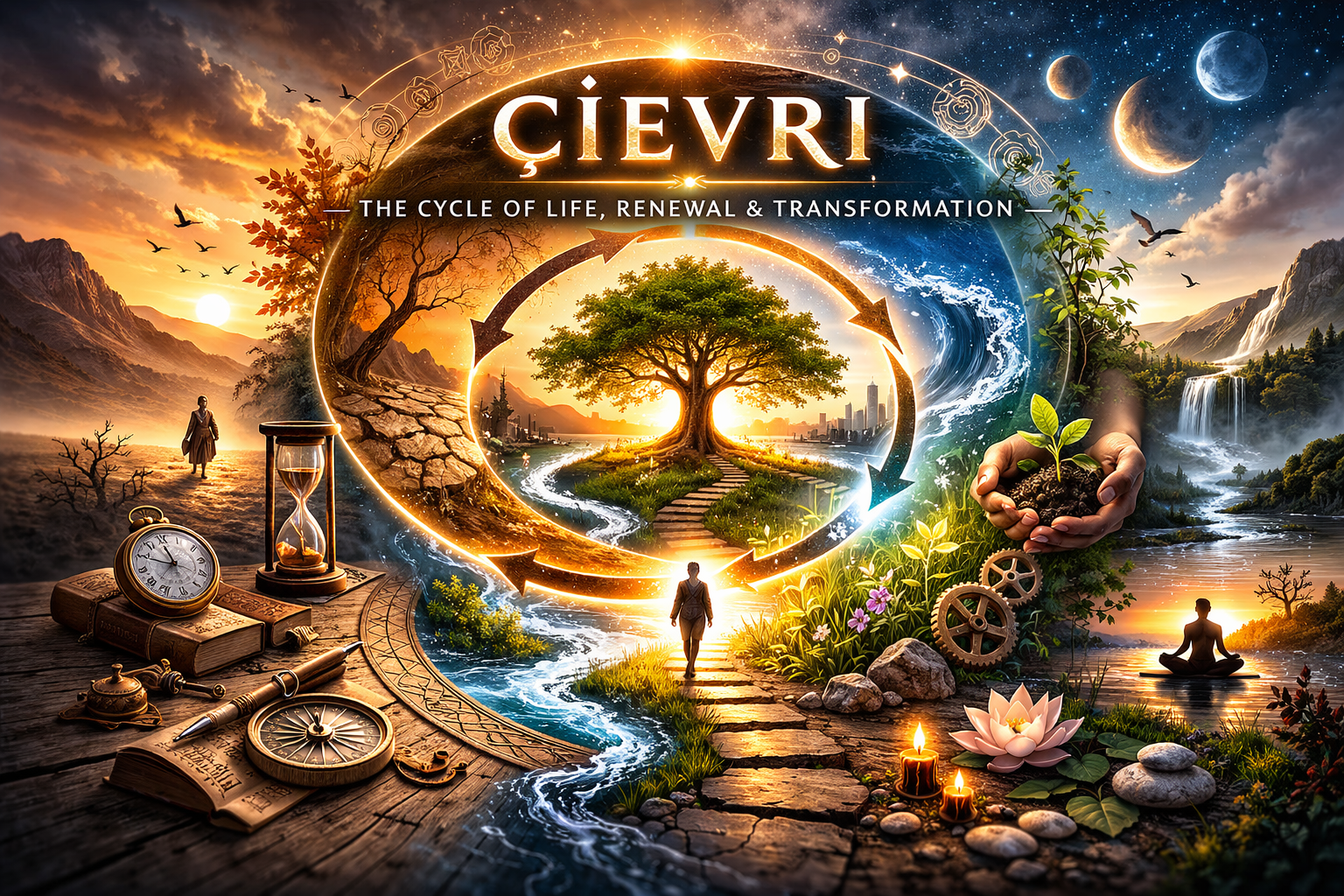
Introduction
Across cultures and centuries, human beings have searched for language to describe the patterns that shape existence. We speak of cycles, seasons, rhythms, and returns. Yet some words carry a deeper resonance than their literal translation suggests. One such word is çievri. Though unfamiliar to many modern readers, çievri evokes an older understanding of continuity, motion, and the subtle art of returning without repeating.
In an age obsessed with forward momentum, progress, and acceleration, the idea embedded in çievri feels almost radical. It suggests that life does not move in straight lines.It turns. It folds back.It circles through experiences, each time altered by memory and growth. When we explore çievri, we are not simply examining a word. We are rediscovering a philosophy hidden in plain sight, a framework for understanding transformation without rupture.
This article takes a deep look into the meaning, origins, interpretations, and modern relevance of çievri. It unpacks the emotional and intellectual weight of the concept and reveals why this seemingly modest term holds profound insight for contemporary life.
What Is çievri
Çievri is best understood as a concept rooted in the idea of circularity, rotation, and surrounding continuity. Linguistically, it appears connected to older Turkic and Ottoman expressions related to turning, encircling, or forming a cycle. Historically, similar words were used to describe not just physical rotation but also metaphorical cycles of time, fortune, and human experience.
Will You Check This Article: Brandi Loge Visionary Path: Redefining Creativity, Leadership, and Impact
At its core, çievri represents movement that returns without stagnation. Unlike a closed loop that traps, çievri implies evolution within repetition. It recognizes that life often brings us back to familiar circumstances, yet we re-enter them as changed individuals. The circle is not static; it is dynamic.
What distinguishes çievri from simple circular motion is its emotional undertone. It suggests reflection, awareness, and the passage of lived experience. Where a mechanical rotation lacks depth, çievri carries memory. It acknowledges that each return contains traces of previous journeys. In that sense, it becomes a philosophy of living consciously within cycles rather than resisting them.
The Linguistic Roots and Cultural Echoes of çievri
Language rarely invents ideas without context. Words emerge from shared experience. The likely etymological roots of çievri lie in older forms of Turkic speech, where terms describing “turning” or “encircling” were common in both practical and poetic use. In historical texts, related words described physical surroundings, rotating objects, and even shifts in fortune.
But language does more than describe mechanics. In oral traditions, cyclical imagery appears frequently in proverbs and poetry. The turning of seasons, the rotation of celestial bodies, and the recurring patterns of human relationships were all observed with quiet acceptance. Within that worldview, çievri would not have been merely descriptive. It would have been intuitive.
Agrarian societies especially understood cyclical living. Harvest follows planting. Rest follows labor. Drought gives way to rain. Life and death form a visible pattern rather than an abrupt contradiction. In such contexts, the sensibility behind çievri was practical wisdom. It reminded people that hardship was not permanent, and prosperity was not infinite.
This cultural grounding gave the concept emotional depth. Çievri carried reassurance. It whispered that movement continues even when progress appears invisible.
Çievri as a Philosophy of Time
Modern culture tends to view time as linear. We measure it in deadlines, milestones, and aging. We imagine progress as a straight road with no turning back. Yet psychological experience contradicts this model. Memories resurface. Patterns repeat. Lessons return until learned.
Çievri offers an alternative model of time. It suggests that life unfolds in spirals rather than straight lines. Events may resemble earlier moments, but they occur at a different level of awareness. A person who revisits an old hometown after many years does not experience the same place in the same way. The streets may look identical, but the internal landscape has shifted.
In this sense, çievri recognizes growth within repetition. It removes the shame from recurrence. Many people feel frustrated when they confront similar challenges more than once. They interpret it as failure. But through the lens of çievri, recurrence becomes opportunity. The cycle invites deeper understanding.
This philosophy aligns with natural rhythms. The Earth rotates daily. Seasons repeat annually. Even breath itself follows a pattern of inhale and exhale. Çievri encourages alignment with these rhythms rather than resistance against them.
Emotional Intelligence Within Çievri
Beyond time and movement, çievri speaks to emotional cycles. Human feelings are rarely linear. Grief resurfaces long after loss. Joy returns unexpectedly. Motivation fluctuates. The expectation that emotions should move steadily upward is unrealistic and often harmful.
Understanding çievri means recognizing that emotional returns are not regressions. Revisiting sadness does not erase healing. Encountering doubt does not cancel confidence. Emotions rotate like weather systems. They shift, intensify, fade, and sometimes return in altered form.
This awareness cultivates emotional resilience. When individuals accept that cycles are natural, they become less frightened by temporary downturns. The concept of çievri reframes emotional turbulence as movement rather than collapse.
In therapeutic and reflective practices, cyclical awareness plays a significant role. Many psychological breakthroughs occur when people notice patterns instead of isolated incidents. Çievri subtly points toward that awareness. It suggests that understanding one’s cycles is the first step toward transformation.
The Modern Disconnection from Cyclical Thinking
Industrialization and digital culture have amplified the illusion of constant forward motion. Productivity metrics, growth charts, and endless updates create pressure to always advance. There is little room for pause or return.
As a result, many people experience burnout. They attempt to outrun natural rhythms. They deny the need for rest, reflection, or repetition. In this context, çievri feels almost countercultural.
Reintroducing cyclical awareness can restore balance. Businesses operate in economic cycles. Creativity flows in waves. Even innovation often revisits older ideas with new interpretation. Recognizing çievri within these patterns prevents unrealistic expectations.
The absence of cyclical understanding can lead to anxiety. When downturns occur, individuals may assume permanent decline. Çievri reminds us that contraction often precedes renewal. This perspective does not deny difficulty. It contextualizes it.
Çievri and Personal Growth
Personal development literature frequently emphasizes breakthrough moments. Yet most growth happens quietly through repetition. Habits form through daily practice. Relationships deepen through recurring conversations. Skills improve through iterative effort.
Çievri captures this incremental evolution. The repeated action is not stagnant if awareness increases. A musician playing scales every day is not trapped in monotony. Each rotation refines sensitivity. Each cycle strengthens mastery.
This insight is particularly relevant in moments of perceived stagnation. People often believe they are “back where they started.” But rarely is that entirely true. The circumstances may resemble earlier stages, yet perception has matured. Çievri reveals that the return is layered with accumulated insight.
Recognizing this can transform frustration into patience. It allows individuals to honor the value of steady recurrence rather than chasing dramatic change.
Spiritual and Philosophical Dimensions of Çievri
Across spiritual traditions, cyclical imagery appears repeatedly. Concepts of rebirth, renewal, and cosmic rotation are common in many cultures. Though çievri may not belong to a single formal doctrine, its spirit resonates with these broader philosophies.
The idea that endings are beginnings in disguise aligns closely with cyclical thought. Sunrise follows night. Renewal follows decay. Even within personal belief systems, moments of loss often precede unexpected growth.
Çievri does not promise perfection. It does not suggest that cycles are always pleasant. Some rotations bring difficulty. But the philosophy implies continuity. Movement persists even in darkness.
This continuity fosters hope grounded in realism. It is not blind optimism. It is trust in rhythm.
Çievri in Creative Expression
Art, literature, and music frequently embody cyclical structures. Story arcs often return to their starting point with altered understanding. Musical compositions use recurring motifs that evolve over time. Visual patterns repeat shapes in varied form.
In creative work, çievri can be seen in thematic recurrence. An artist revisits familiar symbols across decades, each time revealing new meaning. The repetition is not redundancy. It is deepening.
Creative professionals often describe working in phases. Inspiration intensifies, then wanes, then resurfaces. Recognizing this as çievri reduces panic during quieter periods. It reassures creators that absence of momentum is part of the larger cycle.
This understanding encourages sustainable creativity. Instead of forcing constant output, artists learn to respect rotation.
Social and Collective Cycles
Societies also move through cycles. Cultural values shift. Economic climates fluctuate. Political attitudes evolve and sometimes reappear in modified form. While history does not repeat exactly, patterns echo.
The lens of çievri allows observers to study these patterns without cynicism. Recognizing recurrence can guide wiser decision-making. It reminds communities that extremes rarely last forever.
Collective memory plays a crucial role here. When societies forget previous cycles, they risk repeating mistakes blindly. Çievri implies mindful remembrance. It encourages awareness of historical turning points and their consequences.
Understanding social cycles does not mean accepting injustice passively. Rather, it equips communities with perspective. It reveals that transformation often unfolds gradually through repeated effort.
The Psychological Power of Acceptance
Perhaps the most profound impact of embracing çievri lies in acceptance. Resistance to cycles generates stress. People fight against aging, seasonal change, emotional shifts, and natural limits. While ambition drives progress, denial of rhythm creates imbalance.
Acceptance does not equal resignation. It means cooperating with the reality of motion. When individuals align with cyclical patterns, they experience less internal conflict. They plan according to energy flows.They rest without guilt. They pursue growth without demanding immediate results.
Çievri teaches that life’s turning does not diminish agency. Instead, it refines it. One can choose how to respond within the cycle, even if one cannot stop its rotation.
Conclusion
Çievri is more than an obscure word. It is a lens through which life’s patterns become intelligible. It reminds us that movement does not always appear as forward acceleration. Sometimes it looks like return. Sometimes it feels like repetition. Yet within that repetition lies evolution.
In a world that prizes constant novelty, rediscovering çievri offers grounding wisdom. It encourages patience with personal growth, resilience in emotional turbulence, and perspective in social change. It invites us to see cycles not as traps but as spirals rising subtly over time.
When understood deeply, çievri becomes a quiet guide. It teaches that every ending curves toward a beginning, and every return carries the imprint of transformation. To live with awareness of çievri is to trust the rhythm of existence without surrendering responsibility. It is to move with the turning rather than against it.
FAQs
What does çievri literally mean?
Çievri is associated with ideas of turning, circling, or cyclical movement. While rooted in linguistic traditions connected to rotation or surrounding motion, it carries broader philosophical implications about recurring patterns in life.
Is çievri a religious concept?
Çievri is not tied to a specific religion. However, its cyclical philosophy resonates with many spiritual traditions that emphasize renewal, repetition, and continuity.
How can çievri apply to personal growth?
Çievri helps individuals understand that growth often occurs through repetition. Returning to similar challenges does not mean failure; it can signal deeper learning within a cycle.
Why is cyclical thinking important today?
Modern culture emphasizes constant progress, which can create stress. Cyclical thinking, reflected in çievri, offers balance by recognizing natural rhythms in work, emotion, and development.
Can çievri influence creativity?
Yes. Creative processes often move in phases. Understanding çievri allows artists and thinkers to accept fluctuations in inspiration as part of a healthy, recurring pattern rather than as decline.

movirz and the Shadow World of Free Movie Streaming SitesHub

rwu uar: A Transformative Academic Alliance Model Vision 26

valplekar: Roots, Meaning, and Cultural Legacy

Messeregge: Meaning, Uses, and Modern Potential

Camehoresbay: Exploring a Mysterious Digital-Sounding Term

Trucofax Explained: A Complete Guide to Its Meaning, Uses, and Impact
-
 Tech1 week ago
Camehoresbay: Exploring a Mysterious Digital-Sounding Term
-
 Tech1 week ago
Trucofax Explained: A Complete Guide to Its Meaning, Uses, and Impact
-

 Blogs1 week ago
Mansutfer: A Modern Concept Shaping How People Create and Deliver Value
-

 Entertainment1 week ago
ReadMyManga Com: A Deep Dive Into the Platform Manga Fans Seek
-

 Sports1 week ago
AC Milan vs SSC Bari Timeline: A Historic Italian Football Rivalry
-

 Crypto1 week ago
5starsstocks.com: A Practical Guide to Smarter Investing
-

 Business1 week ago
MyGreenBucks Kenneth Jones: Insights, Impact, and Influence
-

 Blogs1 week ago
Mila Volovich: A Modern Creative Force Shaping Culture